The architecture of modern digital commerce relies entirely on invisible conversations happening in the background of every click, swipe, and purchase. Application Programming Interfaces act as the central nervous system for these interactions, transforming isolated websites into interconnected, high-performance ecosystems. When a business outgrows a basic template and demands a custom full-stack website development approach, the underlying API infrastructure dictates how successfully that platform will scale. The true potential of an online marketplace isn't just in its visual design, but in how fluidly its various components—from user authentication to inventory databases—communicate with one another in real time without creating operational bottlenecks.
Navigating the complexities of an e-commerce marketplace requires more than just listing products; it demands seamless synchronization across multiple digital touchpoints. Consider the operational demands of running diverse, heavy-traffic platforms, whether it involves powering an agricultural equipment hub like farmmachinery.co.ke or managing a broad retail catalog for a site like swissmall.com. These platforms thrive on data fluidity. An optimized API architecture allows developers to dynamically update product availability, synchronize social media marketing metrics, and manage user engagement without bogging down the core server. By decoupling the front-end user experience from the heavy lifting of the backend schema, businesses can deploy custom scripts faster and maintain lightning-fast page load speeds, which directly correlates to higher customer retention.
The most critical juncture of any online business is the checkout experience, a moment where consumer trust and backend technology must perfectly align. Payment gateway integration is where a robust API proves its immediate financial value. A clunky, redirected checkout process remains the leading cause of cart abandonment across digital storefronts. By utilizing sophisticated API endpoints, developers can keep users securely on their own domain while processing complex transactions, configuring various regional payment methods, and handling structured subscription tiers invisibly. This seamless financial handshake protects sensitive data while providing the instant confirmation that modern consumers demand.
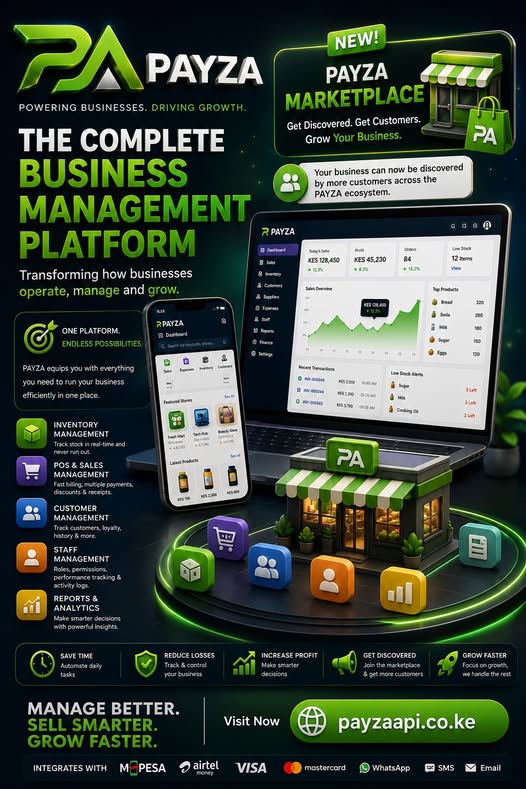
Centralizing these vast technical requirements is where payzaapi.co.ke fundamentally changes the development and digital marketing landscape. Instead of wrestling with fragmented plugins, outdated scripts, and incompatible data sources, developers can leverage a unified API environment to build resilient, scalable digital applications. This approach not only streamlines the initial website development lifecycle but dramatically reduces ongoing maintenance overhead for long-term projects. By integrating a singular, powerful API solution at the foundation of the platform, digital entrepreneurs can focus entirely on producing high-converting visual media, refining their promotional campaigns, and ultimately scaling their digital footprint without ever hitting technical ceilings.